At Deepak Foundation, we believe sustainable development begins with empowered communities. Our initiatives in livelihood enhancement, climate action, and skill-building are designed to create long-term impact, strengthen resilience, and provide opportunities for inclusive growth.
Through livelihood programs, we support individuals and families—especially from vulnerable and marginalized communities—to gain economic independence. By promoting entrepreneurship, micro-enterprises, and access to income-generating opportunities, we help communities secure sustainable sources of livelihood.
In response to climate challenges, the Foundation implements projects that promote environmental awareness, natural resource management, and sustainable practices. From afforestation and water conservation to renewable energy adoption, our efforts aim to mitigate climate risks while empowering communities to adapt and thrive.
Our skills development initiatives focus on enhancing employability and life skills for youth and women. By providing vocational training, mentorship, and practical exposure, we equip participants with the tools needed to succeed in a rapidly evolving economic landscape.
By integrating livelihood, climate action, and skills building, Deepak Foundation fosters resilient, self-reliant communities capable of facing challenges, creating opportunities, and shaping a sustainable future.
Mangrove Restoration & Biodiversity Documentation
Mangroves, though covering less than 1% of the Earth’s surface, are vital ecosystems that protect 75% of tropical coastlines across 112 countries. Rich in biodiversity, with over 50 species, mangroves act as natural barriers against storms, reduce coastal erosion, and store up to 1,025 metric tons of carbon per hectare—providing ecosystem services valued at $194,000 per hectare annually. India hosts 3.1% of the global mangrove cover, with major concentrations in West Bengal, Gujarat, and the Andaman & Nicobar Islands. In Gujarat’s Dahej region, nearly 80% of the 10–15 km coastline is devoid of mangroves, making restoration critical not only for biodiversity and climate resilience but also for strengthening local livelihoods. Reviving these coastal forests is essential for sustaining both people and the planet.
Deepak Foundation’s initiative aims to secure the coastline and preserve biodiversity along the South Gujarat coast in Dahej district through mangrove restoration driven by community participation. The project focuses on restoring 50 acres of mangrove cover across the coastal stretch of Jageshwar, Paniyadra, and Aladar villages, creating a natural buffer against erosion, storms, and climate-related threats. A key objective is to sensitize and engage local communities in the restoration and long-term management of these ecosystems, fostering ownership and environmental stewardship. Additionally, the project seeks to document measurable changes in biodiversity and capture both the tangible and intangible benefits experienced by the community before and after restoration, providing a replicable model for community-led coastal resilience.
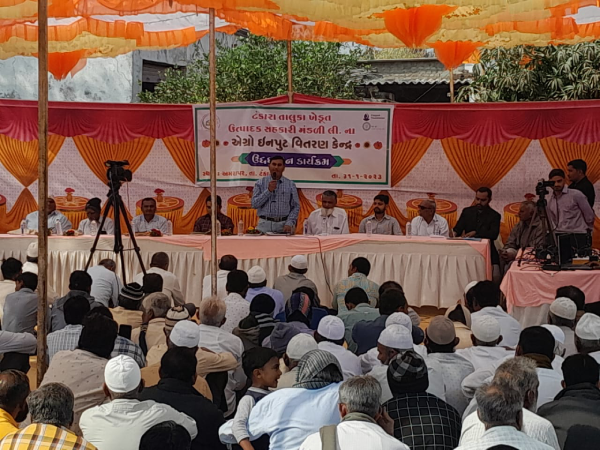

Abhivruddhi was launched to support the Government of India’s vision of establishing 10,000 Farmer Producer Organizations across the country. As a Community-Based Beneficiary Organization (CBBO), Deepak Foundation supports 25 FPOs across nine districts in Gujarat, Maharashtra, and Jharkhand. The initiative focuses on building agricultural entrepreneurship and enabling FPOs to become self-sustaining beyond government support.Of the 25 FPOs, 16 are registered under the Farmers Producer Company Act (2013), and 9 under the Cooperative Act (1962).
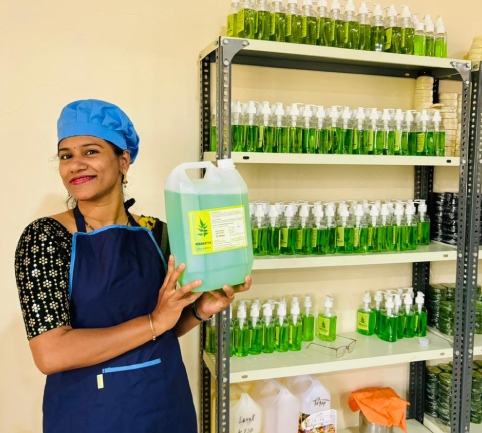
Launched during the COVID-19 pandemic, this initiative supports rural women in producing neem-based hygiene products such as handwash, soap, and sanitizers. Using the SHG model, the program promotes entrepreneurship while expanding access to affordable hygiene products in rural and urban markets. By training a group of small and marginal women in neem-based hygiene product production, the project aimed to create sustainable livelihoods and increase access to essential hygiene products in both rural and urban areas. Through a self-help group (SHG) approach and comprehensive training, these women have successfully embarked on entrepreneurial ventures. This initiative not only contributes to meeting the growing demand for hygiene products but also provides a valuable source of income for rural women, particularly during challenging economic times.
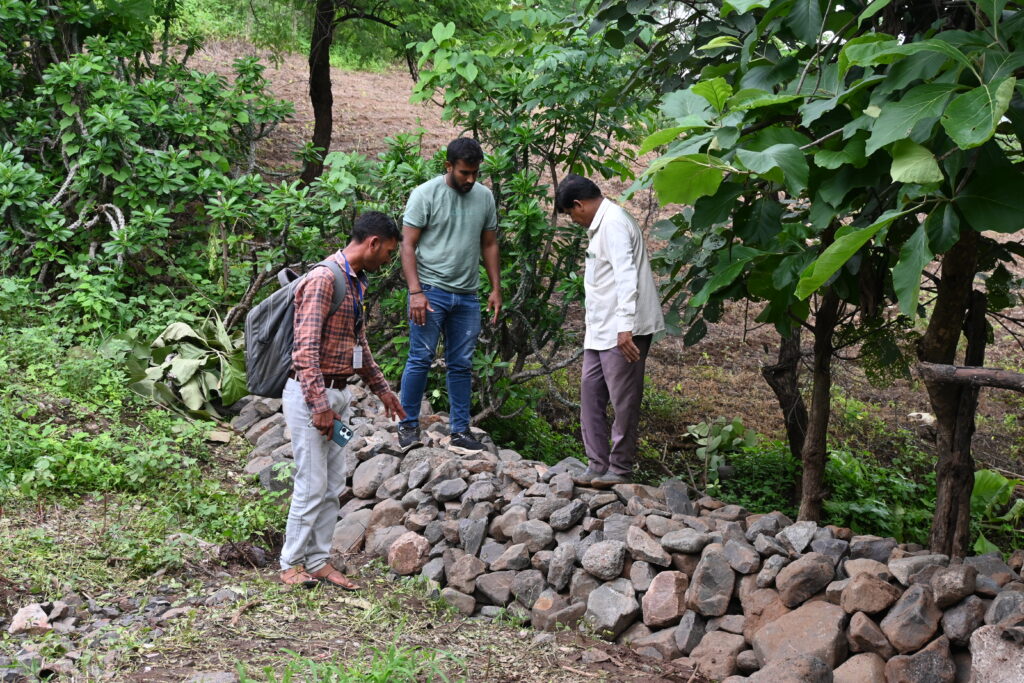
The project applies a comprehensive approach—Area Treatment, Drainage Line Treatment, and Climate Proofing—to enhance water conservation, soil health, and climate resilience in tribal communities. The project implemented extensive soil and water conservation measures, constructing over 6,000 cubic meters of farm bunds, preventing approximately 750 tons of soil erosion and improving crop root-zone moisture. Additionally, more than 2,000 cubic meters of stone bunds were built, safeguarding 2,800 cubic meters of soil. Two check dams were established, providing irrigation for 20 hectares of agricultural land, while six gabion structures prevented 450 tons of soil erosion and conserved soil moisture across 4.5 hectares. Furthermore, two earthen embankment dams were constructed to store water for irrigation and enhance groundwater recharge, benefiting four hectares of farmland.
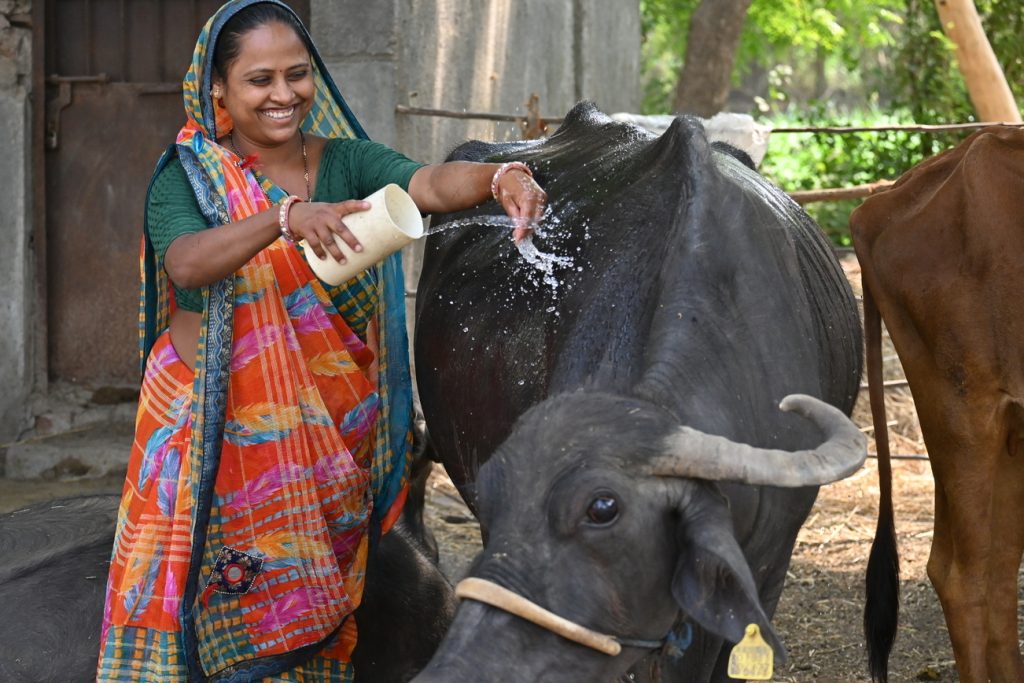
The Integrated Animal Healthcare Centre (IAHCC) in Roha established in August 2023.Offers doorstep veterinary care, artificial insemination services, farmer training, and nutrition support. Despite initial challenges, the initiative has significantly improved milk yield and cattle productivity among small dairy farmers.
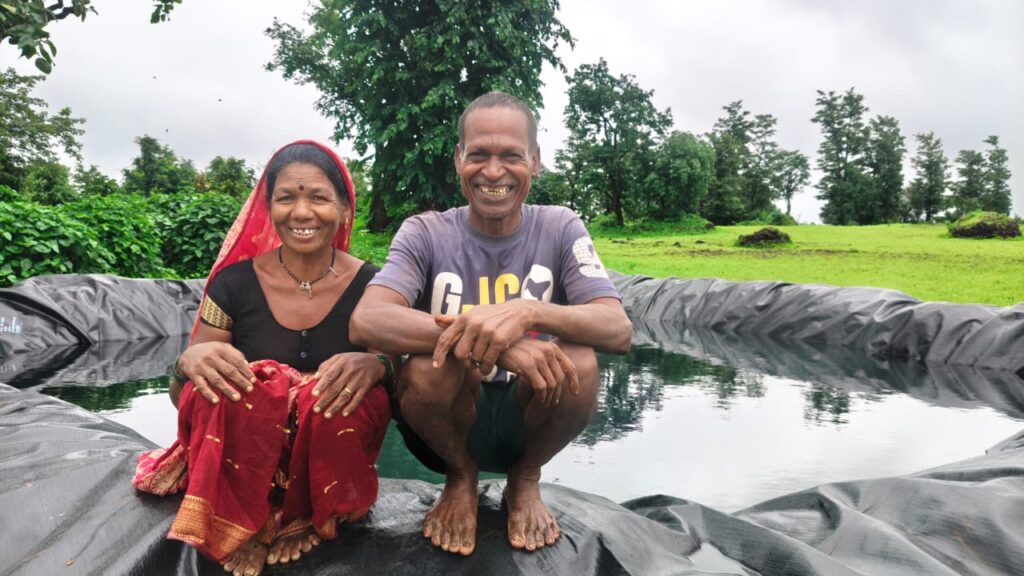
Implemented through a tripartite partnership with JM Financial Foundation and the Palghar District Administration, the IVDP initiative addresses the diverse challenges faced in Mokhada-a tribal, rain-fed agricultural region of Palghar District, Maharashtra. The project focuses on resolving critical issues such as inadequate irrigation, unsustainable farming practices, seasonal migration, and limited access to government schemes.
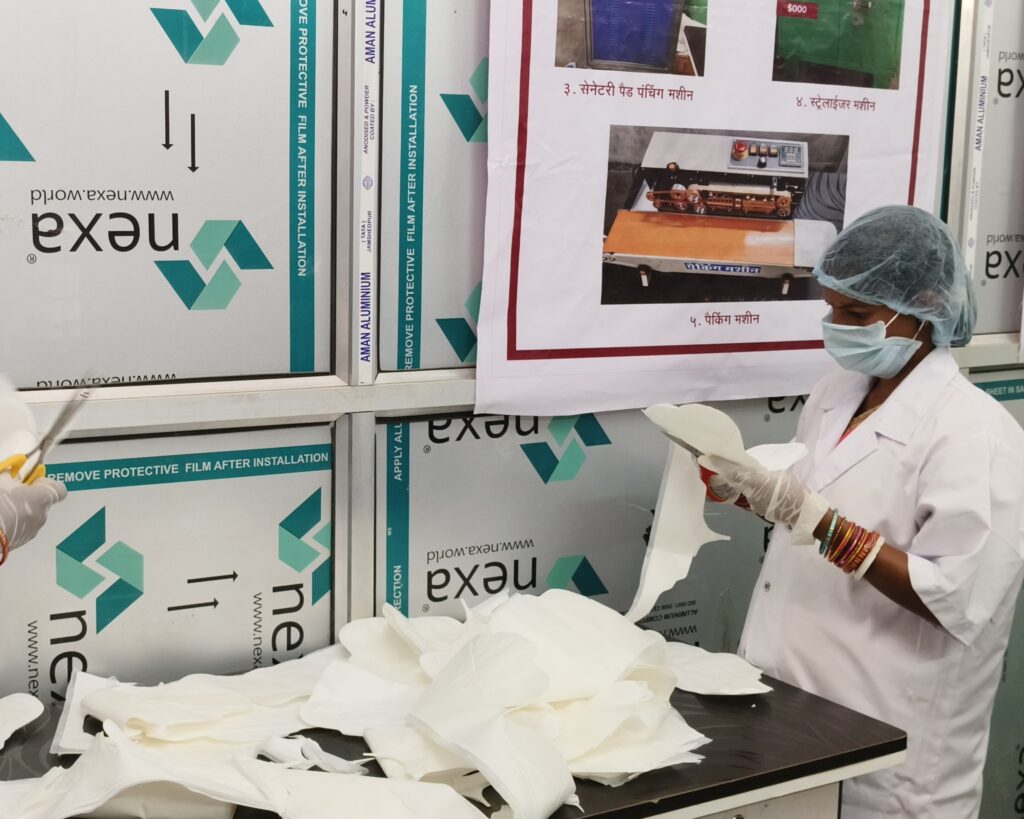
Supported by the Department of Scientific and Industrial Research (DSIR), this initiative addresses menstrual hygiene, social stigma, and limited access to sanitary products. By combining livelihood support with health awareness, the program fosters holistic empowerment.
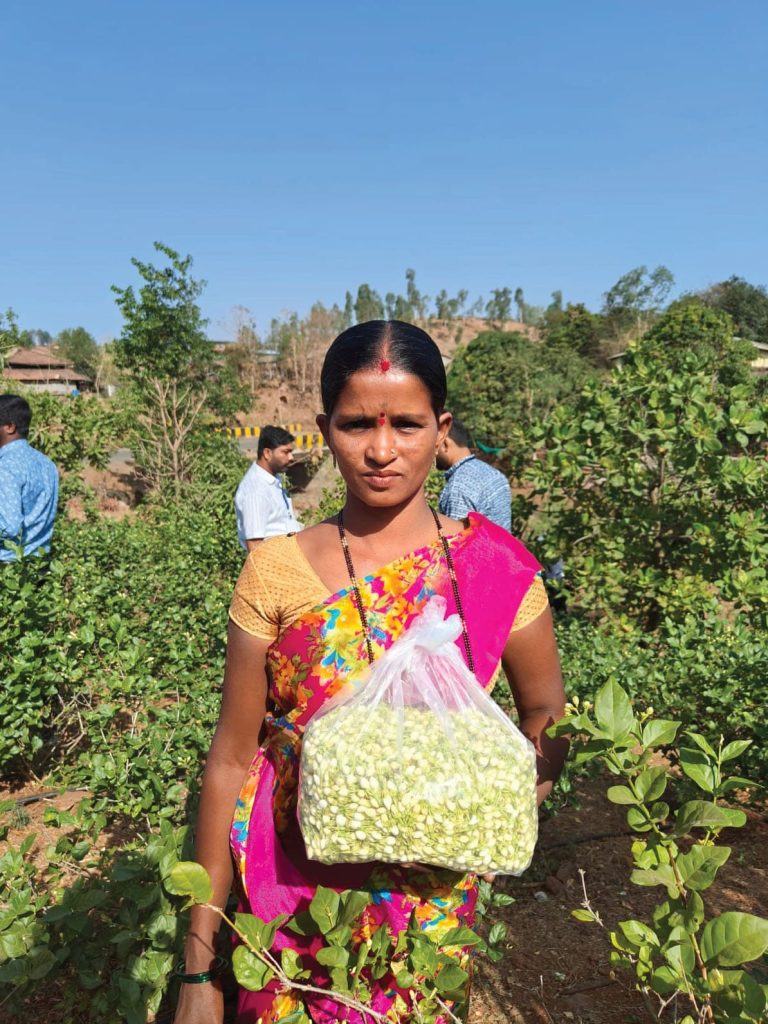
Implemented in partnership with the Godrej Enterprise Group, this initiative empowers women from marginalized communities through jasmine cultivation and development of personal hygiene products like hand wash and soaps. The project helps women supplement household income and engage in entrepreneurship within a rapidly industrializing region.
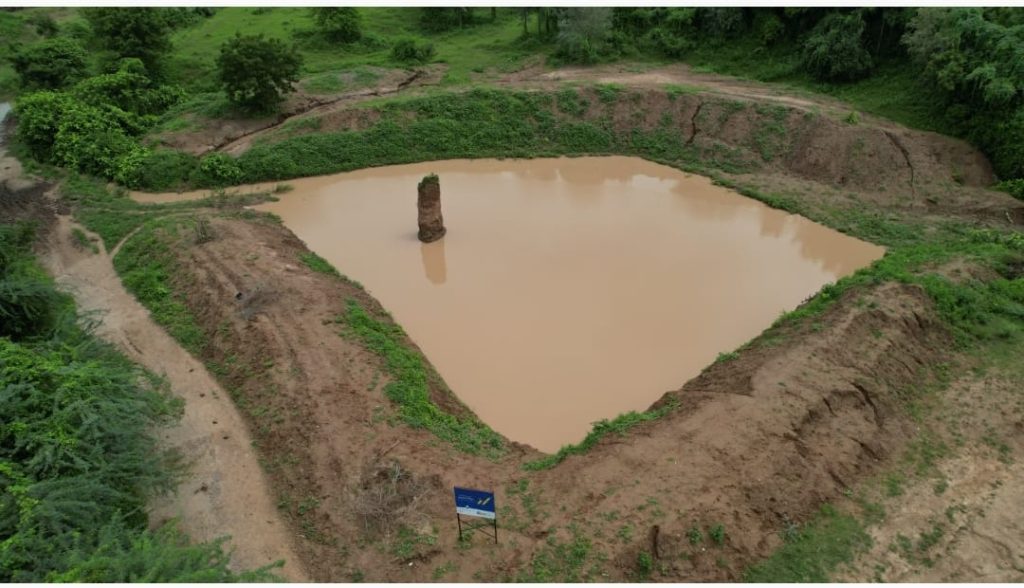
Located in a predominantly tribal , geographically challenging district, HRIDAY adopts a holistic, multi- sectoral approach to improving livelihoods and well-being. The region features in the Prime Minister’s Aspirational District Programme, reflecting its developmental priority. The project strengthens access to services, enhances community resilience, and promotes sustainable growth.
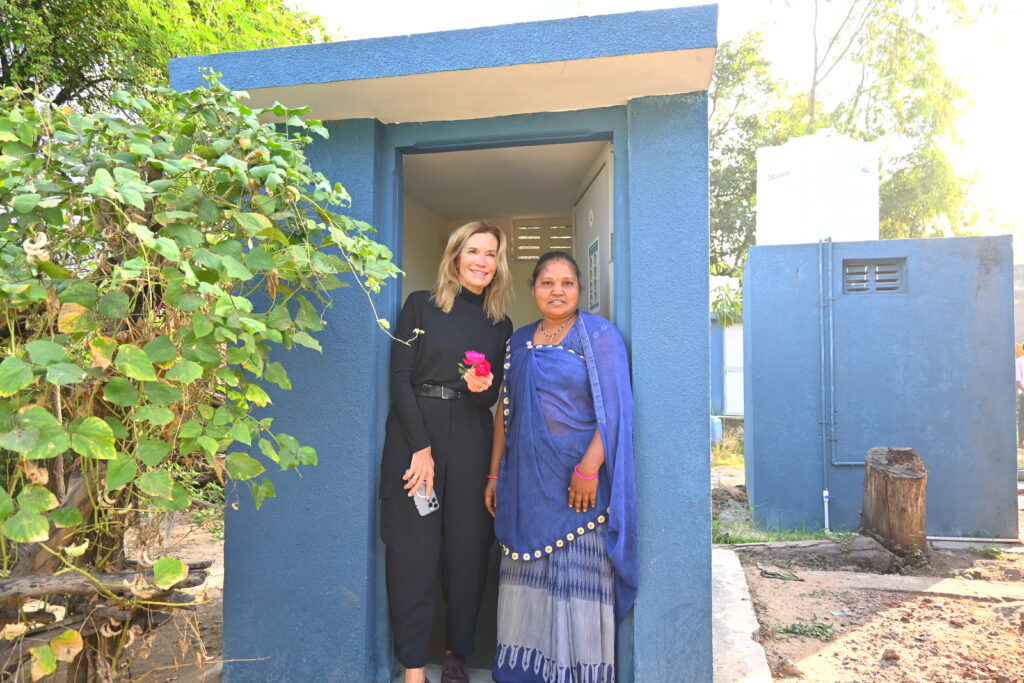
In partnership with Kohler India Corporation Private Limited, this initiative strengthens Water, Sanitation, and Hygiene (WASH) across four villages in Jhagadia by constructing 127 toilets and 144 bathrooms. A parallel water restoration project enhances traditional water bodies, increasing storage capacity by 125 million liters. Community awareness on hygiene and sanitation was promoted through street plays, wall paintings, community meetings, and school programs, resulting in improved sanitation practices in the project area.
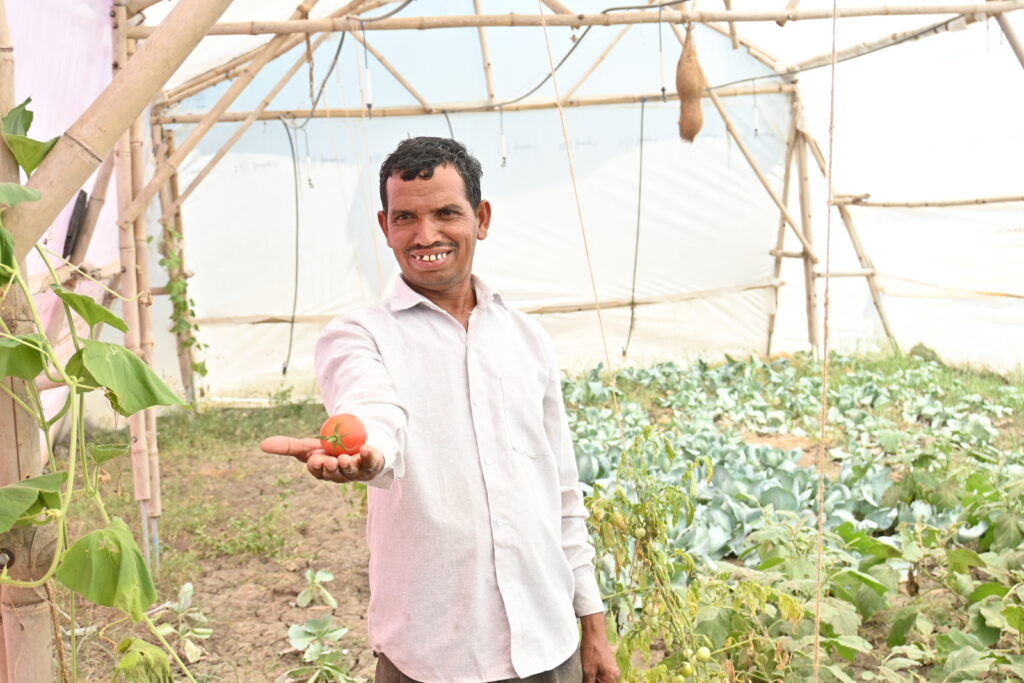
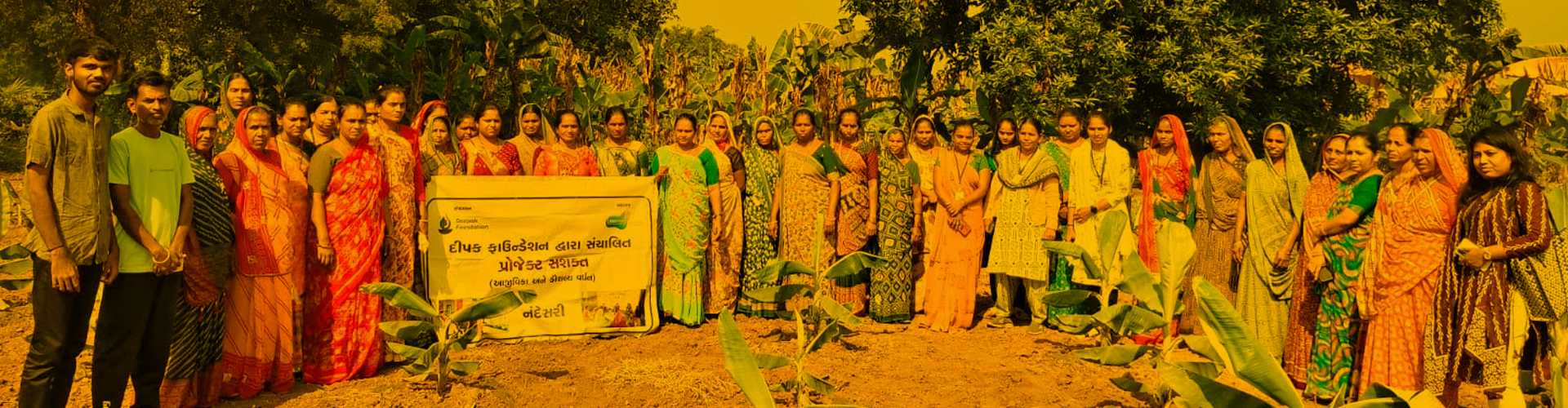
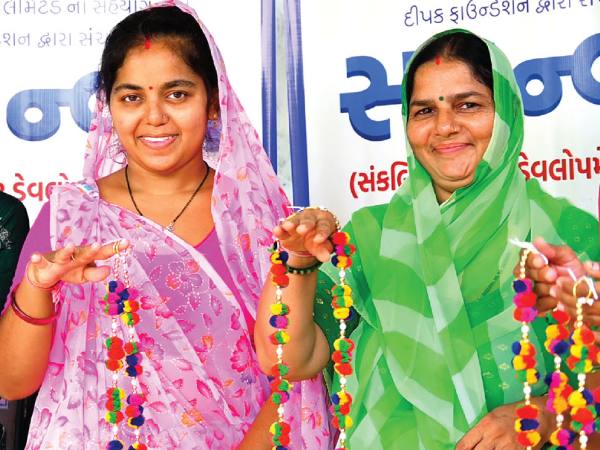
Supported by Deepak Phenolics Limited, Samanvay empowers women through SHG strengthening, skill-building, sustainable agriculture, and clean energy adoption.
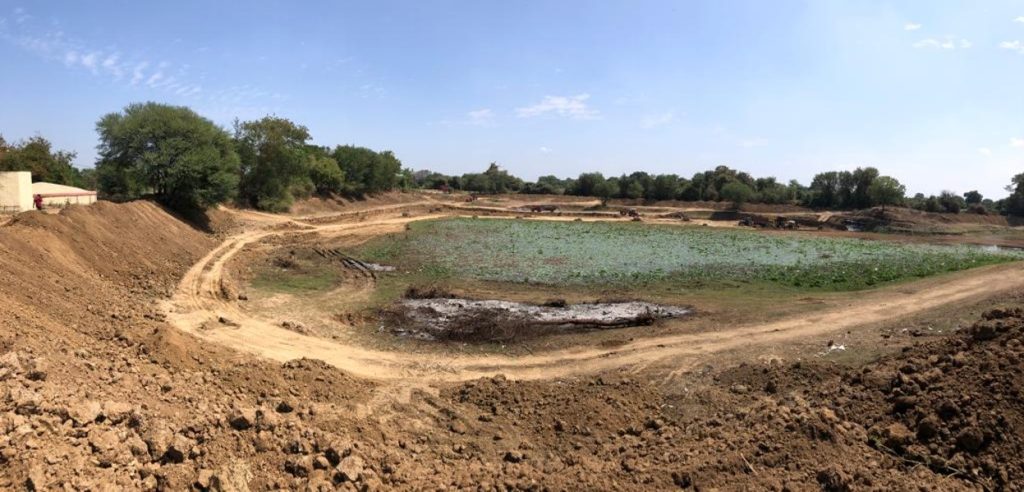
A Smart Village is one which offers access to clean energy, adequate water, basic education, good healthcare, hygienic sanitation, leading to economic prosperity and enhanced quality of life with technologic interventions, in a manner that is environmentally sustainable.
Smart Village extends the possibilities for making village as one of the model villages with self-reliant and self-subsistence green energy that creates a win‐win for an economy, environment, and local society
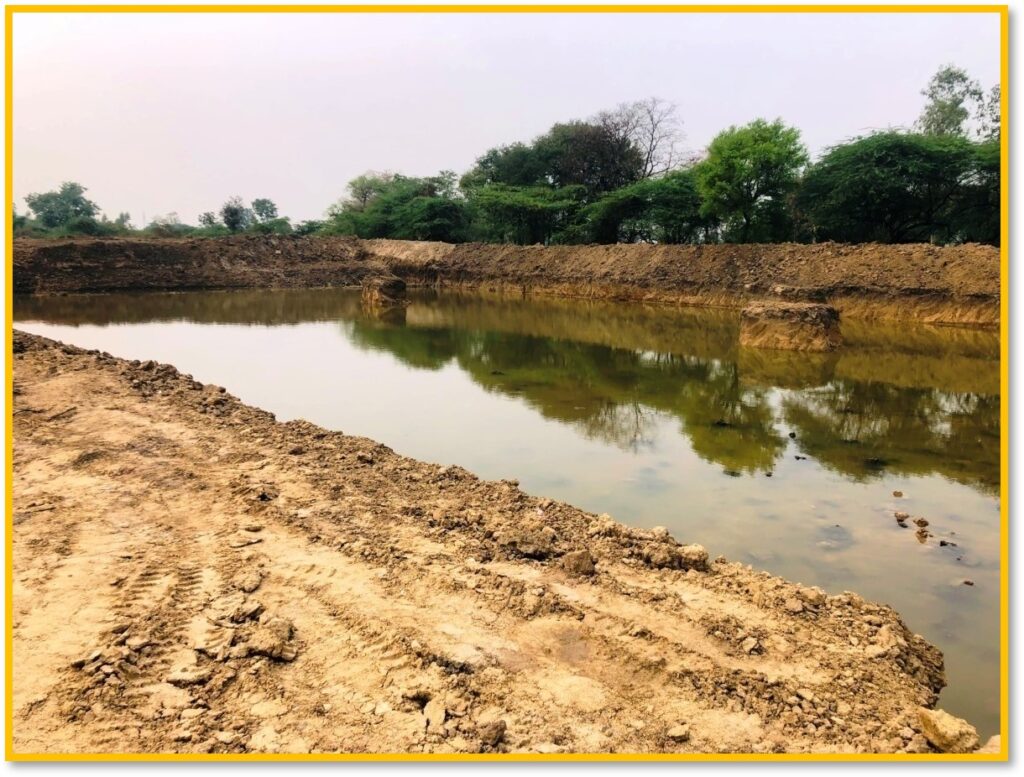
Situated in the foothills of the Western Ghats, Roha faces severe water loss and topsoil erosion due to its sloping terrain. Gram Jal Sanchay focuses on conserving rainwater, mitigating erosion, and enhancing water availability for agriculture and daily sustenance.
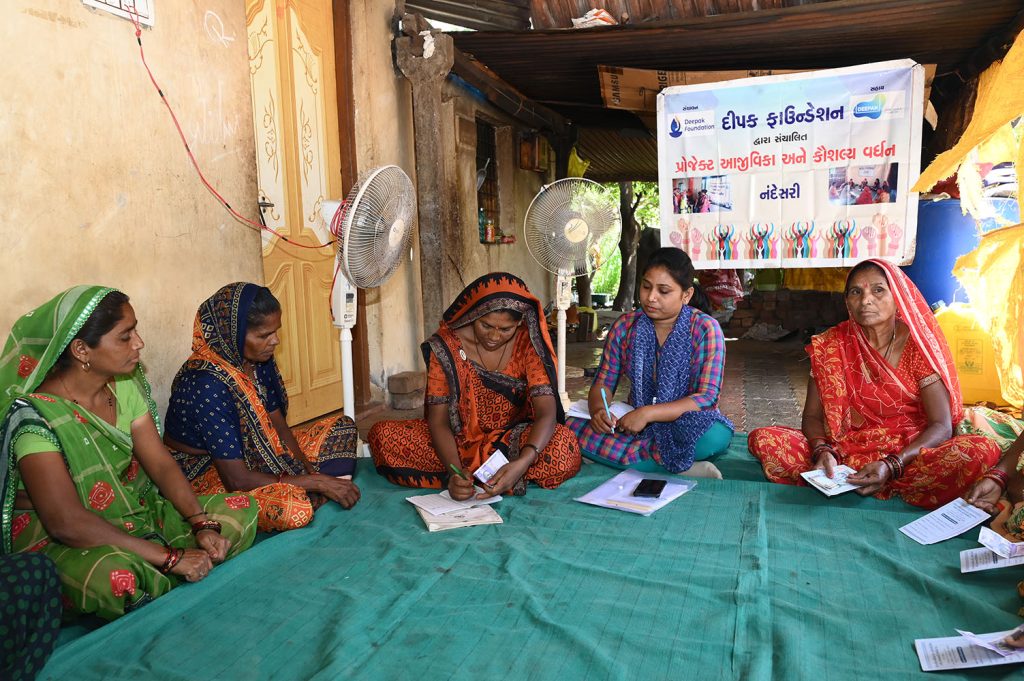
The Foundation has contributed significantly to the empowerment of women by providing them with chances for a sustainable income. The promotion of approximately 1500 members in nearly 100 Women’s Self Help Groups (SHGs) helped them develop good saving practises.
The Foundation suggested that “Deep Jyoti Mahila Credit Cooperative Society” (DJMCCS) be established in order to assist these women in developing further.
Objective of DJMCCS:
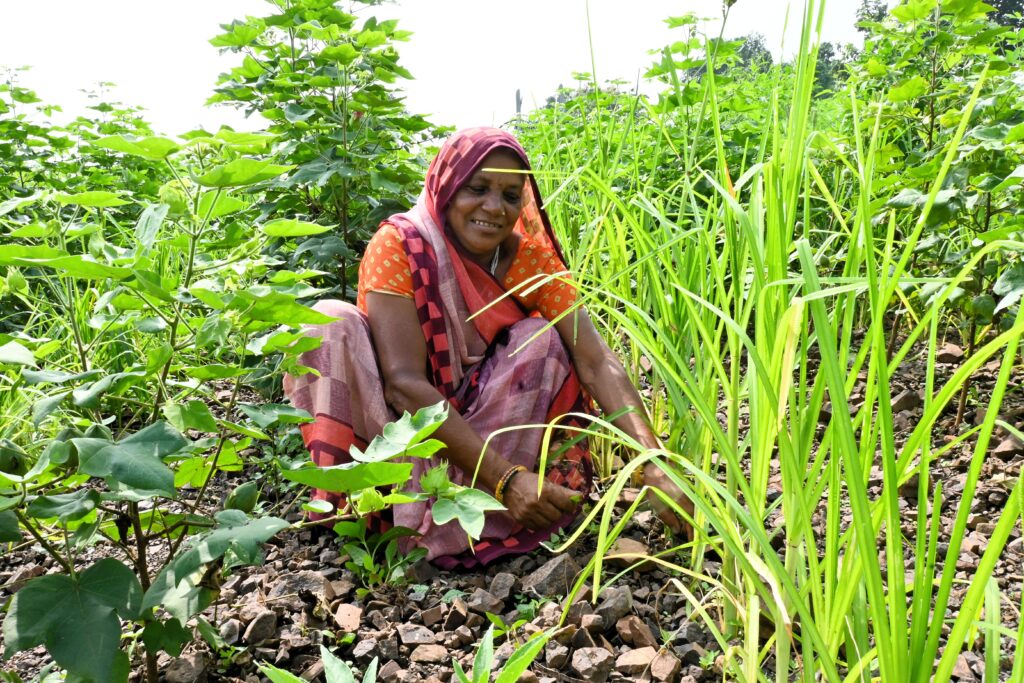
Recognizing the nutritional and economic value of millet, the project established two SHG-led units—one for primary processing and another for value-added product manufacturing. These units promote healthy consumption and create new livelihood opportunities among tribal communities.
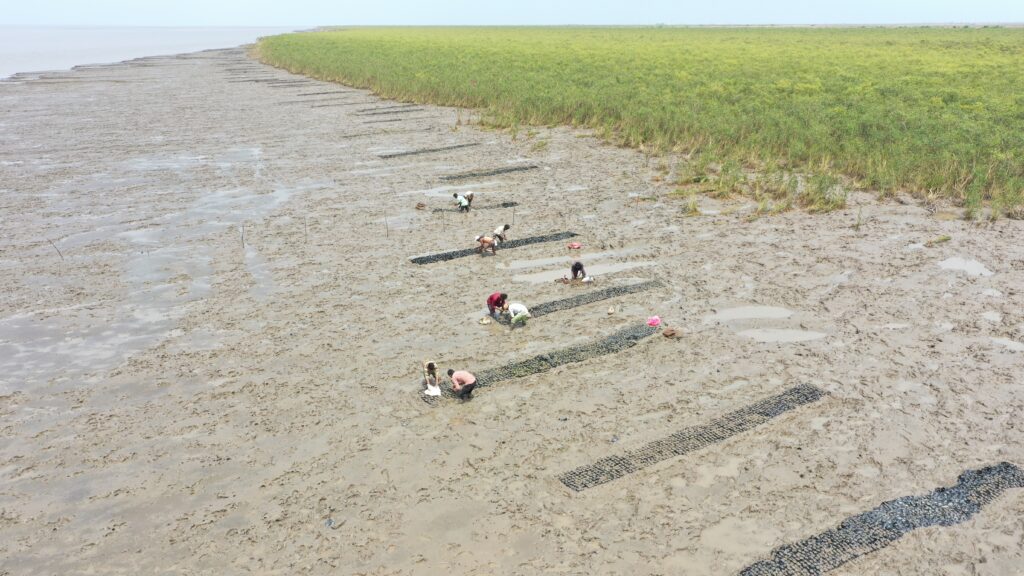
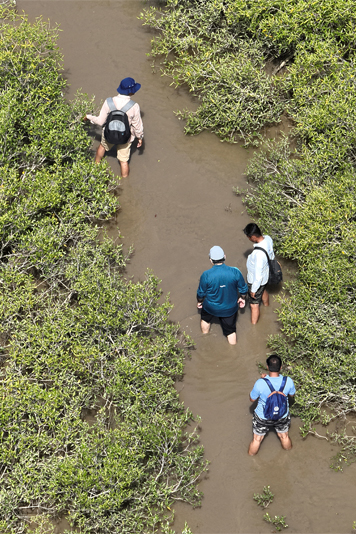
With Gujarat’s coastline experiencing significant erosion and mangrove loss, this project focuses on restoring coastal mudflats to protect land, strengthen community resilience, and support carbon sequestration. This ecological restoration effort contributes to climate mitigation while safeguarding livelihoods. Gujarat, home to the Gulf of Kutch and Gulf of Khambhat, faces significant coastal erosion due to the high tidal amplitude of the funnel-shaped Gulf of Khambhat, which has led to the loss of 703.6 sq.km of coastline and 36.39 sq.km of mangrove cover over 40 years. The restoration project focuses on reviving coastal mudflats to protect the shoreline, safeguard community livelihoods, and enhance carbon sequestration for climate mitigation. Key achievements include the establishment of a mangrove nursery and plantation across 20.23 hectares with 1.07 lakh saplings, sensitization of 1,829 people in 12 villages, and documentation of 130 biodiversity species, including four new species from the Vagra coastline.
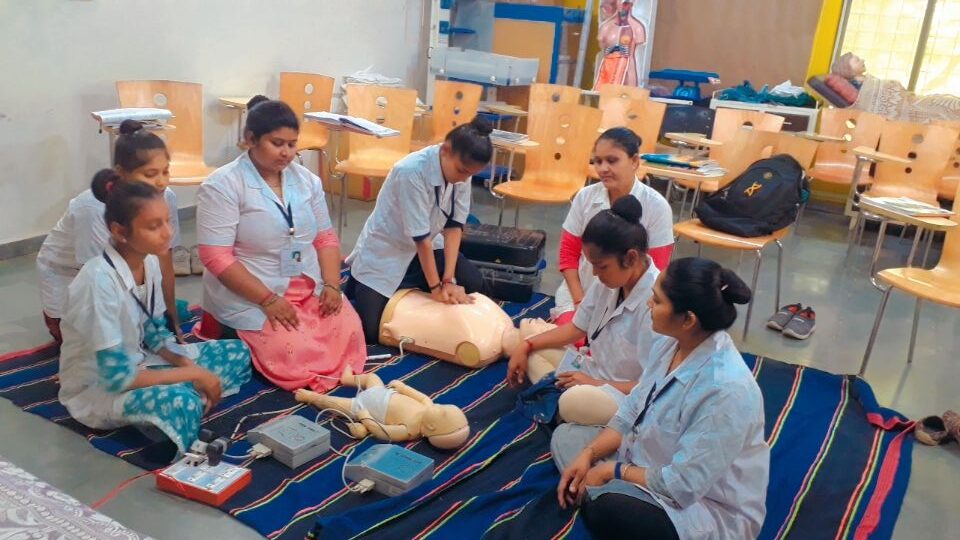
The Foundation provides skill development opportunities to underserved communities, focusing on unskilled youth with limited employment prospects. The Institute for Skills Building, Research, and Innovation (ISBRI), accredited by the National Skill Development Corporation (NSDC), conducts government-approved Home Health Aide (HHA) courses to enhance employability and empower individuals aged 18–40, including school dropouts and unemployed youth.
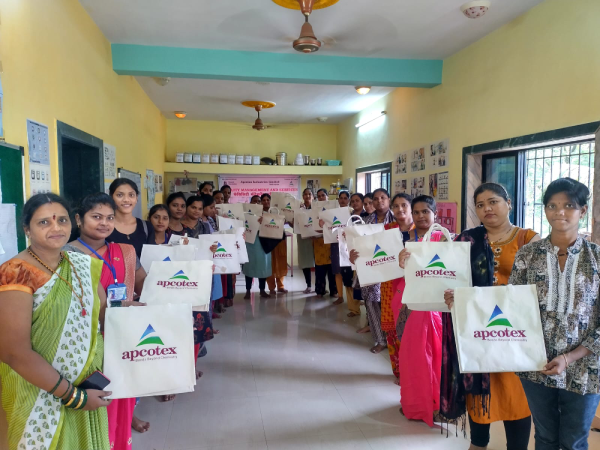
This year-long initiative enhances employability among underprivileged youth through training in Facility Management Services and Home Health Aide courses. Targeting 120 individuals—primarily women and marginalized groups—it equips participants with practical skills for income generation.
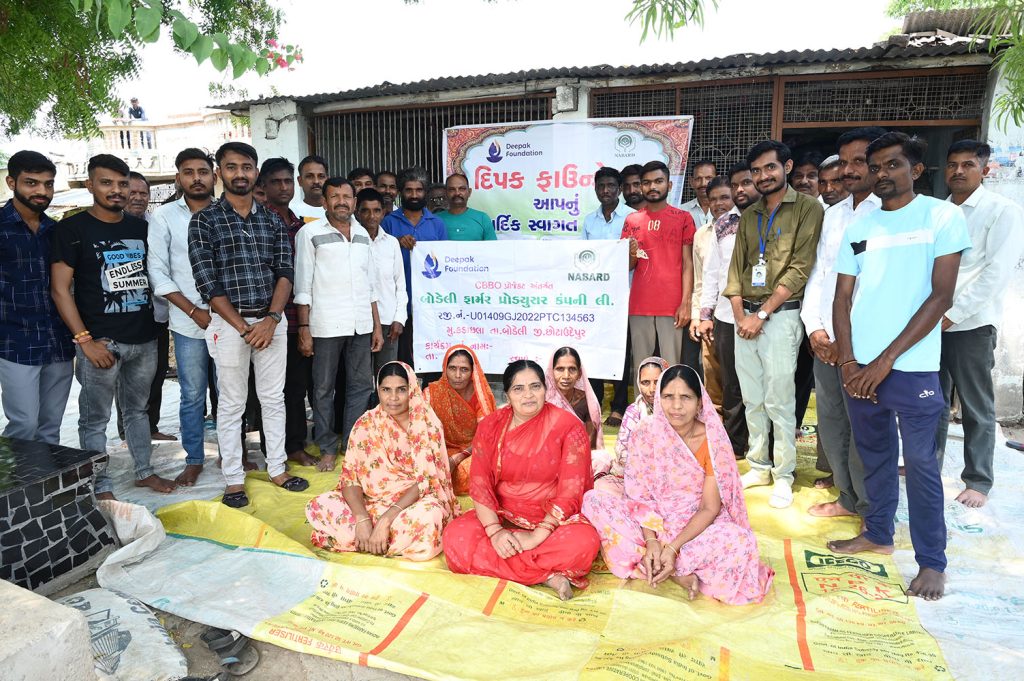
Govt. of India is implementing a Scheme for Establishing 10,000 Farmer Producers Organisations (FPOs) across the country. The FPOs shall be developed by adopting a cluster approach with focus on a particular crop identified as part One District One Product Program. Govt. of India has appointed multiple agencies including NABARD, NCDC, NAFED and SFAC for implementation of the Scheme. The implementing agencies, in turn, have engaged Cluster Based Business Organizations (CBBOs/NGOs) for ground level implementation. Deepak Foundation is promoting 24 FPOs as a CBBOs in CSS Scheme of 10000 FPOs, Govt of India