Menstrual health management continues to be a significant public health and gender equity issue in Jharkhand, particularly impacting adolescent girls and women in rural and tribal communities. Many girls are unprepared for menarche and receive little to no education on menstruation. Prevailing myths and taboos lead to stigma, social isolation, and poor hygiene practices.
A large number of women still use cloth or other unsafe alternatives due to limited access to affordable sanitary products. This contributes to widespread reproductive health issues, including infections and anaemia, which often remain untreated due to inadequate awareness and restricted access to healthcare services.
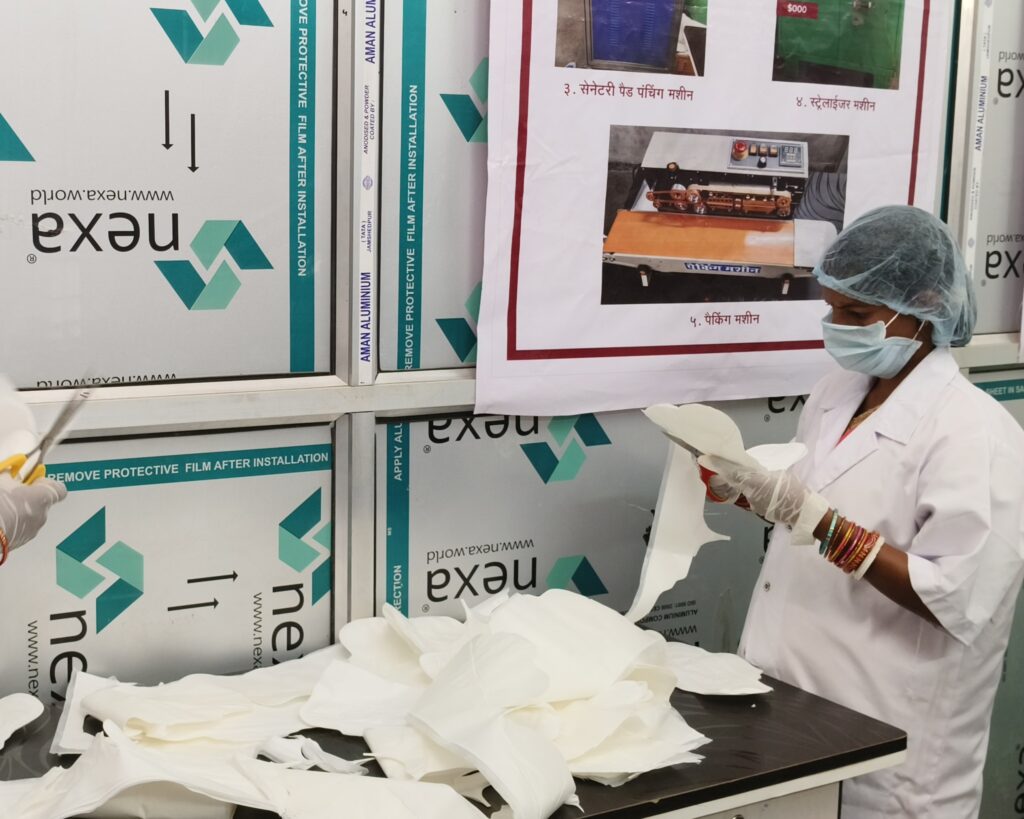
In response, the Skill Satellite Centre in Kuchai, supported by the Department of Scientific and Industrial Research (DSIR), has launched a targeted skill development program aimed at improving the health and livelihood status of adolescent girls and tribal women. The initiative focuses on menstrual hygiene awareness and the local production of low-cost, compostable sanitary napkins through Self-Help Groups (SHGs).
Between April 2024 and March 2025, the project trained 143 tribal women in entrepreneurship development and facilitated market linkages. A total of 3,446 sanitary napkin packets were produced, of which 3,313 were sold, engaging 32 tribal women in the production and sales activities.
Additionally, 160 women received training in goat and poultry rearing, fostering economic empowerment alongside improved health outcomes.
This integrated approach demonstrates the importance of linking health, livelihood, and social awareness for sustainable impact.